
Sales capacity planning determines whether your revenue targets are achievable before the year begins. Model capacity numbers, assess territory coverage, and see the quota impact of every decision.
Sales Capacity Planning Software
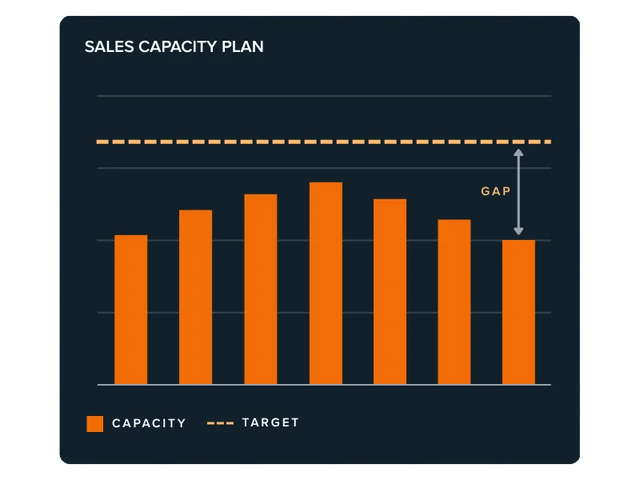
Capacity Planning That Shows the Coverage Gap, Not the Headcount

The Sales Capacity Planning Software Built to Orchestrate
The complexity of enterprise sales capacity planning requires a system of action, one that allows you to orchestrate outcomes, not an estimator. Modern businesses need the ability to:
- Predict Sales Capacity RisksRun AI-powered capacity models to predict headcount needs, spot gaps, and pressure-test your plan before it reaches your team. Act on what’s needed and coming down the line.
- Conduct Capacity Planning without ITGives revenue operations teams a composable, no-code platform to design and deploy plans instantly.
- Protect Your BusinessScale the business with native SOC 2 Type II, GDPR, HIPAA, and CCPA compliance. Your capacity plans are protected by the same security standards your business demands.
- Connect Your Track SystemIntegrates with HRIS, HCM, ERP, and CRM systems to eliminate silos and give your team a single, accurate foundation for every sales capacity decision.
Sales Capacity Planning, Combined with Sales Territory Strategy
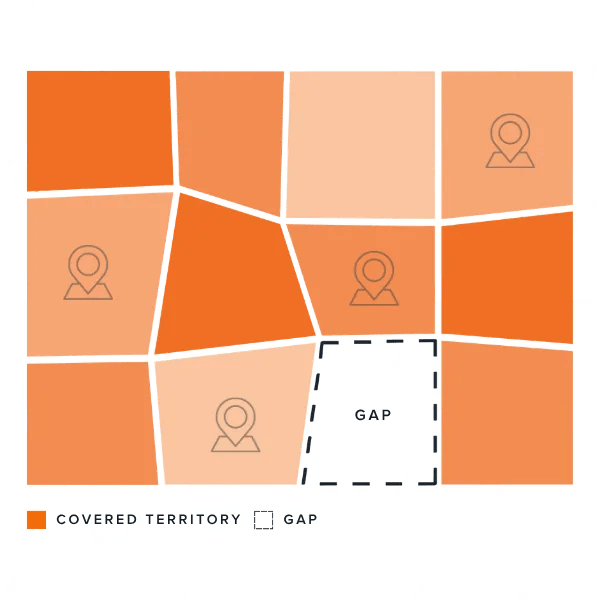
Two questions drive every capacity plan: how many reps do you need, and where do they go? Connects those answers directly with a capacity planning system that lets you build, execute, and govern sales coverage.
- Model Sales Capacity Before You CommitBuild and compare capacity scenarios across regions and roles before a decision is made. Get a picture of what different capacity levels mean for quota coverage and territory performance.
- Spot Coverage Gaps Before They Cost YouNot every gap in your sales coverage is obvious until it's too late. Xactly models expected turnover and rep ramp-up delays to surface hidden weaknesses in your coverage plan, giving your team the visibility to fill gaps before they impact your number.
- Replace Gut-Feel Capacity with AI-Powered InsightsXactly replaces instinct with intelligence. Use AI to align territory, quota, and capacity planning. Every headcount decision is grounded in data, not assumptions.
The Sales Capacity Planning System Built for Enterprises
Sales capacity planning moves fast when everything is connected. Xactly gives your team the tools to model, validate, and execute sales capacity decisions at the speed your business demands.
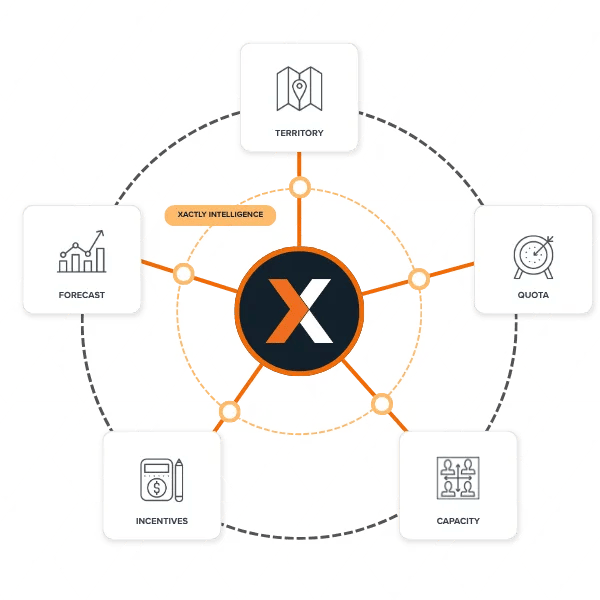
- Unify capacity planning, territory design, quota planning, incentive compensation management, scenario modeling, and forecasting on a single data model.
- Push strategy changes across all territory and quota layers instantly, with no manual data synchronization required.
- Make coverage decisions backed by the deepest dataset in the industry, with 21+ years of proprietary performance benchmarking data.
- Recalibrate sales capacity in real time, giving RevOps teams autonomy.
Built for Every Leader Who Owns the Revenue Plan
Effective sales capacity planning requires alignment across the executive suite, revenue operations, and the field. Xactly gives every stakeholder the visibility and control they need to plan with confidence.

CROs
Gives CROs accurate headcount coverage, territory gaps, and quota risks so they can make capacity decisions.
CFOs
Provides CFOs with capacity models and accurate cost forecasts so hiring decisions are tied to clear revenue returns.

RevOps
Empowers RevOps teams to build, adjust, and deploy capacity plans without relying on consultants or waiting on IT. Use a no-code platform built for speed and flexibility.

Sales Managers
Gives sales managers visibility into their team's capacity, ramp-up timelines, and coverage gaps. Identify risks early, and keep their number on track.
HR Leaders
Equips HR with the capacity data they need to align hiring plans with revenue targets. Ensures every new rep is set up in the right territory from Day 1.
A Sales Capacity Planning Platform Trusted By Users and Customers



I wanted to be able to do things ourselves… and the other thing I really liked was the remote access to the field where they could see their incentive statements on the fly.

"The best commission software!
Easy to work with, very dependable and very accurate. We have changed plans every years and I have gone through 5 different plan years each different from the last. I have never run into any road blocks with Xactly. If you can do the math and get the data Xactly can handle it.We currently feed data into Xactly for two different sources and have about 10 different plans in a given year. Xactly has handled this with ease."

Ready to Orchestrate Your Sales Capacity?
Related Resources


Sales Capacity Planning Software FAQs
How does sales capacity planning software help forecast sales capacity?
Our sales capacity planning software uses factors such as headcount, rep productivity, ramp time, attrition, and historical performance to create sales forecasts that project future sales capacity. This helps sales leaders understand whether their teams can support planned revenue targets.
Can the sales capacity planning software help determine hiring needs?
Yes. Our platform helps you compare current and projected sales capacity with revenue targets to identify any potential gaps that exist. Sales leaders can use these insights to determine when additional representatives may be needed and how many to hire.
Can the sales capacity planning software help optimize team sizes?
Yes. Organizations can evaluate team size based on revenue targets, productivity, ramp time, and attrition to identify team needs that support growth without unnecessarily increasing headcount.
Can sales capacity planning software model different hiring scenarios?
Yes. Sales capacity planning software can model different hiring scenarios by adjusting variables such as hiring dates, headcount, productivity, ramp periods, and attrition. Leaders can compare potential outcomes and identify workforce plans that best support revenue objectives.
How does sales capacity planning software compare with spreadsheets?
Unlike spreadsheets, our software provides centralized data, automated calculations, and scenario modeling. It also reduces manual updates, which makes it easier for sales, finance, and RevOps teams to collaborate on capacity plans.
Can sales capacity planning software help align headcount with revenue targets?
Yes. You can use the capacity planning software to compare your planned headcount and expected productivity against revenue targets. By identifying capacity gaps or excess capacity, sales leaders can make more informed hiring decisions and align workforce investments with growth objectives.